
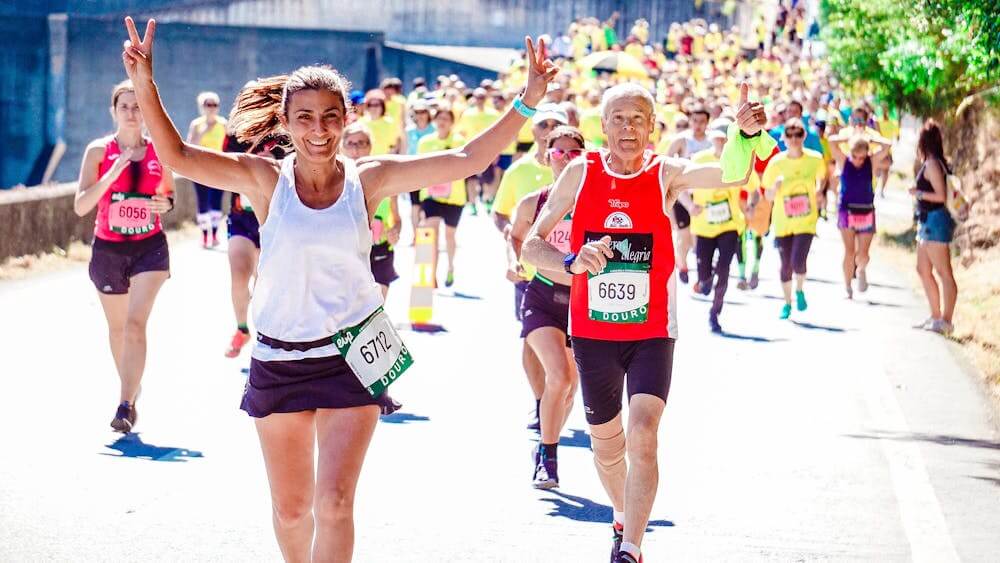
Whether you’re a marathon runner or a track athlete, it’s crucial to prepare correctly. This prevents injury, improves performance and aids recovery.
Here are six essential tips to keep your feet in peak condition.
1. Wear the Right Running Shoes
Not all running shoes are equal, just as no two pairs of feet are the same. Make sure your shoes are right for the terrain and distance you plan to run. Your footwear must support and cushion your feet correctly, whatever your sport.
If you need a new pair of trainers, don’t buy them at the last minute. You must allow time to wear them in gradually, otherwise you’ll end up with blisters. These are very painful and certain to impede your performance as a runner, if not bring you to a halt altogether.
2. Don’t Forget Your Socks
These are just as important as your shoes. Sweaty feet and badly fitting socks cause discomfort, friction and blisters. They can also lead to painful fungal infections – none of which bodes well for race day.
3. Regular Foot Care
This is essential for all of us but particularly vital if your feet are under the extra pressure of long-distance running. Always keep your nails neatly trimmed and filed. If they get too long, you risk an ingrown toenail or black toe.
The latter occurs if your nail repeatedly bashes into your running shoe, which stresses the nail and causes bleeding underneath. This can be very painful, but keeping your nails nice and short certainly reduces the risk of this happening.
Ensure you wash and dry your feet every day to avoid fungal infections. Use a good foot moisturiser to keep the skin soft and supple. This stops it from drying out and cracking – a painful situation that may lead to infection.
4. Warm Up and Cool Down
This is necessary for any physical activity, but don’t overlook your feet. Stretching is vital for the muscles and soft tissues of the legs and feet. Quads, hamstrings, glutes and calf muscles should all be included and don’t forget your Achilles tendons. These are all necessary to provide strength, balance, shock absorption and mobility.
A gentle foot massage after running eases tired muscles. Soaking in cold or icy water is essential to reduce inflammation and also helps with soreness.
5. Train Properly
Build up to your intended distance gradually over time. This helps your feet to reach the right level of fitness without causing injury. Train regularly but also incorporate rest days into your schedule. This allows your feet (and the rest of you) to recover and build up their strength.
6. Biomechanical Assessment
Everyone has their own running style, depending on their height, stride length, posture and gait. This means that certain muscles may be under more strain than others. All these factors have an impact on the type of running shoes you wear, the way you warm up and cool down, and how you train generally.
Your podiatrist can give you a complete biomechanical assessment and gait analysis to check all aspects of your movement, posture and balance – the ideal place to start before you even buy your running shoes or begin training.
Ask a Podiatrist
Enjoy your sport and prevent injury with the help of our expert podiatrists. We’re here to help with footwear advice, stretching and strengthening exercises, treatment for specific conditions and advice on daily foot maintenance.
And, of course, everyone is welcome at Feet By Pody (not just athletes) because we’ve all got feet!
I don’t think the title of your article matches the content lol. Just kidding, mainly because I had some doubts after reading the article. https://www.binance.info/futures/ref?code=JW3W4Y3A
This blog is very helpful and practical for long-distance runners, offering clear guidance on how to properly care for and prepare feet for running. The content feels friendly, informative, and easy to follow, making it valuable for both beginners and experienced athletes who want to prevent injuries and improve performance.
Long runs often fail due to ignored foot care. Proper shoes, dry socks, and gradual training reduce blisters and strain. Small discomfort builds quickly, turning simple practice into painful stops that affect overall performance later.
I don’t think the title of your article matches the content lol. Just kidding, mainly because I had some doubts after reading the article. https://www.binance.info/register?ref=JW3W4Y3A
En esta sección encontrarás una amplia variedad de camisetas de rugby de los All Blacks con estilo maorí, abarcando desde modelos locales y alternativos hasta de entrenamiento y singlets, disponibles para las temporadas 2019 a 2025. Estas réplicas premium están fabricadas con tejidos transpirables y cortes ajustados, ideales tanto para jugar como para animar desde la grada. Ofrecemos una excelente relación calidad-precio en todas nuestras prendas, con tallas para adultos y envío rápido a toda España y Europa. Además, puedes complementar tu estilo maorí con polos a juego y otras prendas oficiales inspiradas en su rica cultura, para lucir un look único dentro y fuera del campo de rugby.
These tips are so practical and easy to follow—thank you! As someone who recently started training for my first half marathon, I really appreciate the emphasis on the basics like socks and nail care. I definitely made the mistake of buying new trainers just a week before a race once and the blisters were brutal 😅 The bit about biomechanical assessment is a great reminder too; I’ve been meaning to have my gait analyzed and this just pushed me to finally book that appointment. Quick question: how often should I be replacing my running shoes if I’m running about 20-25 miles a week? Thanks again for such a helpful guide!
Can you be more specific about the content of your article? After reading it, I still have some doubts. Hope you can help me.
One thing I’d add is that many runners only think about their feet once something starts hurting. Paying attention to small changes, like a hot spot or mild discomfort, can prevent a much bigger problem later. I also think it would be useful to mention how often running shoes should be replaced, becuase a lot of people keep using them long after the cushioning is worn out.
I don’t think the title of your article matches the content lol. Just kidding, mainly because I had some doubts after reading the article.
I have saved countless posts across the years yet only a rare few earned it as swiftly and fully as this one just did. The kindness in your tone never once wavered which quietly turned even the harder truths into gentle encouragement. Thank you for pouring so much of yourself into this and please know I will be eagerly awaiting whatever you publish next.
You found a way to be both grounded and inspiring at once and holding that balance is a skill I genuinely look up to. You stayed genuinely encouraging without ever slipping into empty hype and that honest balance is remarkably rare. Never doubt how far your words reach because this single post has already lifted at least one grateful stranger today.
There is a comforting steadiness in your writing and it made even the denser parts of this feel calm and reachable. Your candor about the parts that fell apart is what turns this from a tidy pitch into a story I can genuinely trust. You have every reason to feel proud of this so please carry that pride straight into whatever project you dream up next.
There is a comforting calm in your writing and it made even the weightier parts of this feel steady and approachable. You spoke to me the way a trusted mentor would and that warmth is precisely why the whole message landed so deeply. You reminded me why walking away was never truly an option and for that gentle nudge I am more grateful than words hold.