
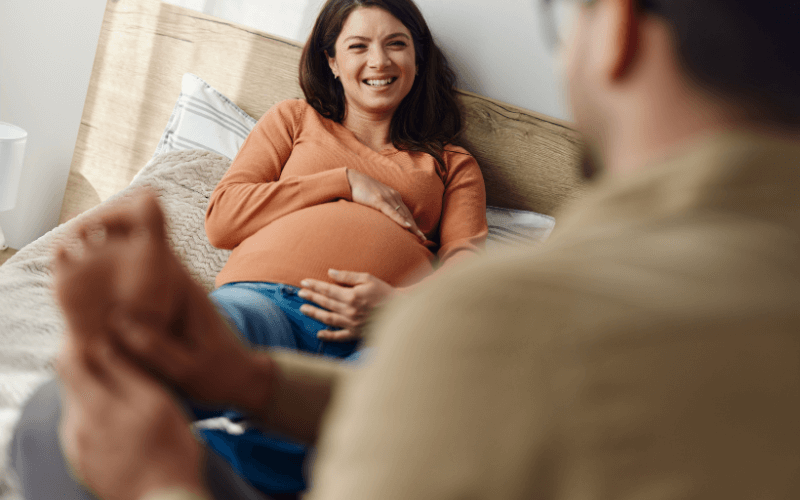
The excitement of knowing you’ll soon hear the pitter-patter of little feet is one of the greatest joys of pregnancy. Unfortunately, for many mums-to-be, pregnancy can bring discomfort to their own feet.
During pregnancy, your body changes to support the growing baby. Weight gain, hormonal changes, altered posture and fluid retention are all natural. Not surprisingly, many of these changes affect your feet and legs.
If you’ve noticed your feet look and feel different, you’re not imagining it – and you’re certainly not alone.
Why Do Feet Change During Pregnancy?
Health providers globally have documented the biomechanical, hormonal and vascular changes that occur during pregnancy. These can affect the comfort, size and stability of your feet. Some of the main factors include:
Hormonal Changes and Relaxin
During pregnancy, your body releases hormones to support your baby’s growth and prepare for birth. One of these hormones, Relaxin, softens ligaments and joints.
While essential for childbirth, it can also affect the ligaments in your feet. As a result, your arches may drop, your feet may widen, and you may experience reduced support and stability.
Biomechanical Changes and Weight Gain
Growing a baby is heavy work. The extra weight places increased pressure on your back, knees, legs and feet.
As your body adapts to weight gain and the shift of gravity your posture and gait naturally change. This shift in balance can lead to additional strain on your feet, affecting their shape, size and arch support.
Vascular Changes and Fluid Retention
Circulation can become sluggish during pregnancy, leading to fluid build-up in the feet and ankles.
As your baby grows, pressure on blood vessels can make this worse, causing swelling and discomfort. In some cases, this may also contribute to varicose veins.
Fortunately, the symptoms can be eased in several ways. Compression socks and gentle walking are ideal to encourage circulation. Don’t be tempted to drink less water either. Keeping hydrated helps with fluid retention by flushing out excess liquids.
While swelling is common, the NHS advises seeking medical advice if you notice sudden or severe swelling in your face, hands or feet.
Common Foot Problems During Pregnancy
Plantar Fasciitis
The plantar fascia is a tough band of tissue running from the base of the toes to the heel bone. It’s vital for the correct support and function of the arch. A dropped arch places damaging pressure on the plantar fascia which leads to inflammation, pain and walking difficulties.
Your podiatrist can guide you through gentle stretches, massage and icing techniques to reduce inflammation and ease discomfort. They can also provide orthotics to correct overpronation – these will cushion the feet, support the ankles and correct postural issues.
Overpronation
Flattened arches can cause your feet to roll inwards when you walk. This places additional strain on your ankles, feet and lower legs as they struggle to support your body correctly.
This can lead to pain not just in the feet, but also in the ankles, knees, hips and lower back. You may also notice your feet feel more tired than usual, or that your shoes wear unevenly.
Supportive footwear and orthotics can help correct your foot position, improve alignment and reduce unnecessary strain.
Ingrown Toenails
As your baby grows, your feet get further and further away. You may be tempted to put off trimming your nails, but this isn’t wise. Longer nails plus swollen feet and toes can quickly lead to painful (and even infected) ingrown toenails, and this just adds to your problems.
There’s no need to battle with your feet. Regular visits to your podiatrist will keep your nails trimmed, tidy and infection-free.
Calluses, Corns and Bunions
Changes in foot size and walking pattern can create friction and pressure points. This often leads to hard skin, corns and bunions, adding to your discomfort.
Your podiatrist can keep these issues at bay. The right shoes (probably a size bigger than usual) plus orthotics ensure you have the best possible support and comfort and help prevent further problems from developing.
Foot Care During Pregnancy
One of the simplest ways of caring for your feet during pregnancy is to ensure you have correctly fitting shoes and orthotics. Many women go up a half or full shoe size during pregnancy. If you continue to wear the shoe size you’ve always worn, you may notice rubbing, blistering, callouses or general discomfort. This can lead to an uncomfortable Mum-to-be, with the potential for infection and extra strain on knees, back and hips compensating for discomfort in the feet.
Likewise, as arch support can be affected by pregnancy related hormones and biomechanic changes, being assessed by an experienced and professional podiatrist for orthotics or insoles helps ensure you are giving yourself the support needed for the best start to motherhood.
Another important aspect of foot care for expectant mothers is good feet hygiene. This can become particularly tricky towards the third trimester as the beautiful baby-bump can make it difficult for a woman to see, reach and care for her own feet. Scheduling an appointment with a chiropodist can ensure your feet are professionally checked, and any issues promptly addressed in preparation for your new arrival.
Staying active with safe exercise, including stretches for the feet and ankles is a great way to limit any unwanted impacts of pregnancy related foot and ankle changes.
Finally, elevating your feet regularly can help with fluid build-up and swelling making for a more comfortable pregnancy. This also provides an opportunity to relax and prepare mentally for the growth of your family.
Professional Foot Support During Pregnancy
Professional support in every aspect of your pregnancy can give you peace of mind as you prepare to welcome a new life into your world. For expert assessment and advice on caring for your feet during pregnancy, contact Feet By Pody today or book an appointment at one of our London foot clinics.