
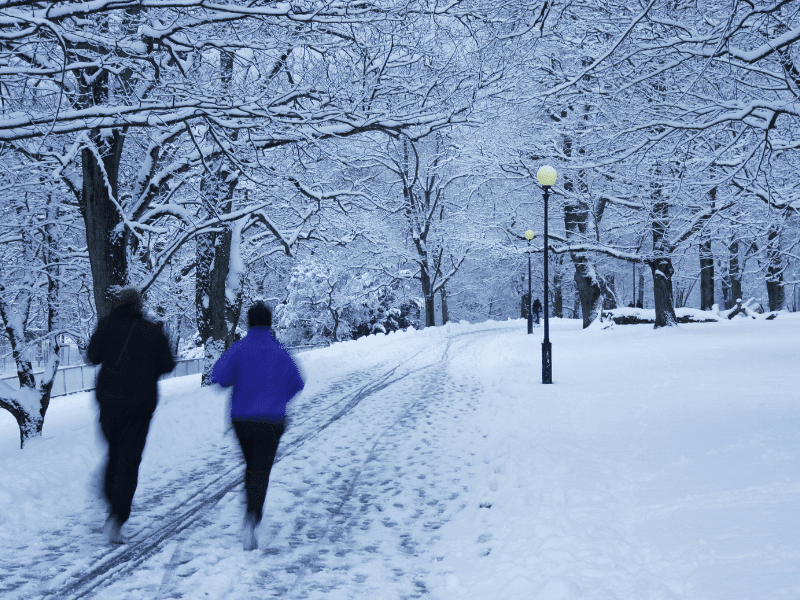
Winter brings the opportunity for all kinds of exhilarating outdoor activities. Lacing up your running shoes on a frosty London morning, gliding round an ice rink or heading to the Alps for a week on the slopes.
But cold weather, hard or slippery surfaces and tightly fitting boots place unique demands on your feet. Here’s the Feet By Pody guide to preventing injuries and ensuring comfort when planning your winter sports adventures.
Why Winter Sports Challenge Your Feet
Cold weather causes old issues to flare up and new ones to set in. Blood vessels naturally constrict in low temperatures, which can reduce circulation, leave muscles and tendons feeling stuff, and make you more vulnerable to injury.
Winter sport usually involves demanding surfaces. Ice rinks, compacted snow, uneven frozen ground and wet pavements all increase the risk of slips, twists and impact injuries. And if your ski boots, ice skates and new winter trainers don’t fit properly, they can create pressure points, rubbing and nail problems.
Choosing the Right Footwear
Getting your footwear right is one of the simplest ways to protect your feet through the colder months. If you’re pounding the icy streets and frosty parks of London, look for running shoes with reliable grip, a supportive midsole and enough room for your toes to move, even when wearing slightly thicker socks. Weather-resistant uppers that keep out water while allowing sweat to escape can reduce the risk of blisters, fungal infections and cold, uncomfortable feet.
Ice skating in London is a magical experience, but make sure your skates are snug without being painfully tight. There should be firm support around your ankles, yet enough space to wiggle your toes so circulation isn’t compromised. Loose or old and worn hire skates can contribute to blisters and a feeling of instability.
Skiing and snowboarding boots should be professionally fitted to ensure the pressure is evenly spread, the heel is snug and secure, and the front of the boot doesn’t repeatedly bang against your toenails. Good insulation helps to prevent frostbite while custom orthotics provide added comfort and control if you suffer from flat feet, high arches or have a history of foot pain.
Common Winter Sports Foot Problems
Here are some of the most common foot problems associated with winter sports:
- Blisters and corns: Caused by friction from tight or ill-fitting boots.
- Chilblains: Inflamed, itchy, swollen patches and blisters caused by cold exposure.
- ‘Skier’s toe’: Bruised, black toenails caused by the toes hitting the front of ski boots or running shoes.
- Sprains, strains and fractures: Winter sports place huge demand on your feet and ankles, especially when surfaces are slippery or uneven.
- Heel and arch pain: Exercising with cold, tight muscles can place extra stress on the plantar fascia and surrounding structures.
- Achilles tendon problems: Repetitive movements in running and skiing combined with cold, stiff tendons can trigger Achilles tendonitis.
- Numbness and tingling: Poor circulation from the cold combined with nerve compression from ill-fitting footwear. Especially problematic for people with diabetes.
Foot Care Tips for Winter Sports
Enjoy winter sports safely with our podiatrist-approved foot-care tips:
- Make sure your boots or running shoes fit correctly and wear breathable, sweat-wicking socks, such as merino wool.
- Take the time to warm up properly before engaging in winter sports – muscles need extra attention to function properly without risk of injury.
- Moisturise your feet, paying special attention to dry heels to prevent cracked skin.
- Inspect your feet regularly for blisters, cuts, colour changes and areas of hard skin so you can act early.
- Keep feet warm and dry by changing out of wet shoes and socks as soon as possible after activity.
- Never ignore numbness, tingling or unusual burning sensations, especially if they persist or affect your balance.
- If you have diabetes, circulation problems or other long-term issues, check in with a podiatrist before starting a new winter sport or upping your training activity.
At Feet By Pody, our expert team of podiatrists is ready to help you avoid or, should the worst happen, recover from a winter sports injury. To find out more about reducing the likelihood of winter sports injuries or foot-care tips in the cold season, book an appointment at our London foot care clinics today.